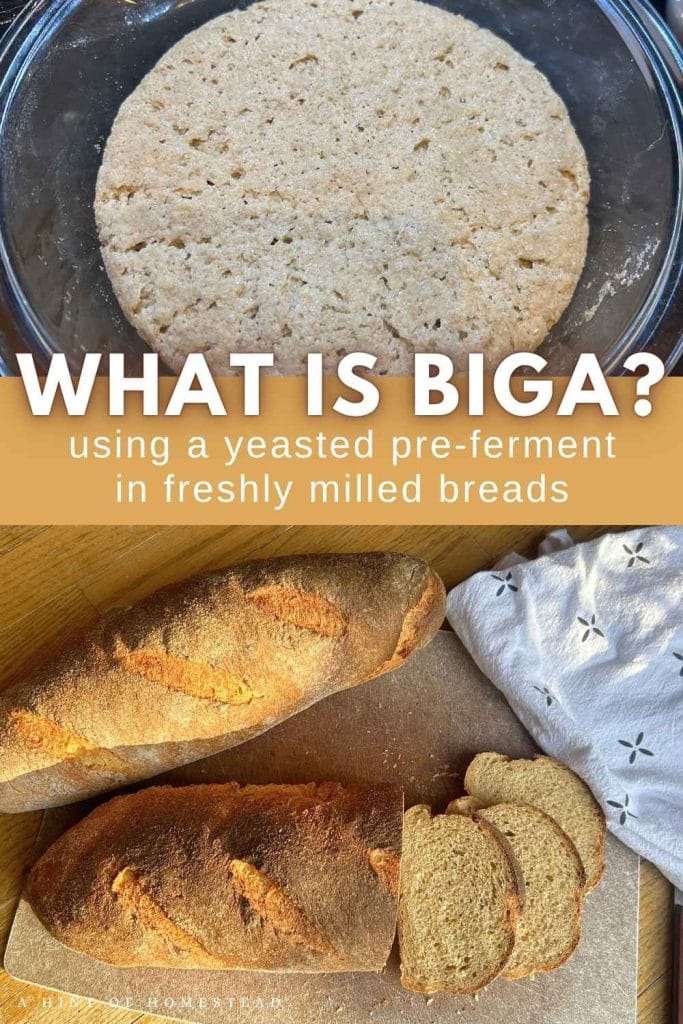
What Is Biga? Learn Why and How to Use in Fresh Milled Flour Bread Baking
I have learned more about using biga in my bakes over the last couple of years as I have been trying new bread recipes. It is a bit different than Yudane and Tangzhong, and closer to a stiff sourdough in that it is a fermented “starter” of sorts that helps create soft, fluffy breads.
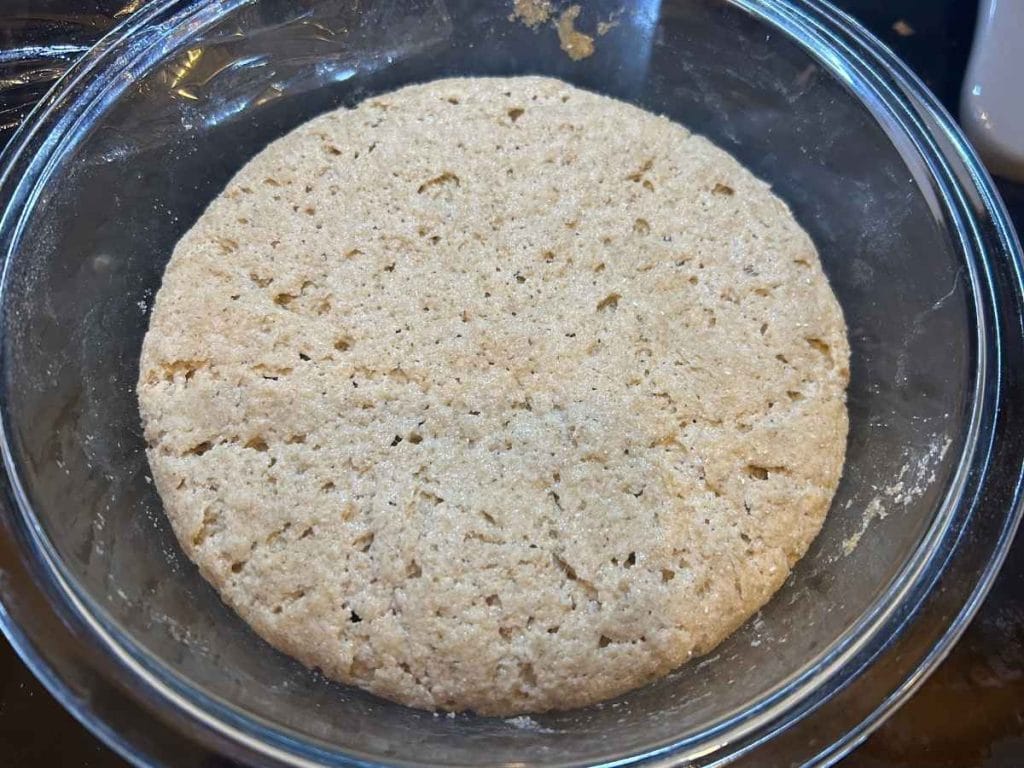
Biga is a traditional Italian pre-ferment that can help enhance the flavor, texture, and structure of bread. We’ll look at what biga is, why it’s beneficial for baking, and how you can make it at home to use in your own bread recipes.
This post contains affiliate links. As an Amazon associate or other affiliate, I earn from qualifying purchases. We try to recommend products we personally use or have used and trust. If you choose to purchase through our links in this post, we may receive a commission, at no extra cost to you. Read the full disclosure here.
What Is Biga?
Biga is a dough made of flour, water, and a small amount of yeast. This mixture is then left to ferment at room temperature overnight (similar idea to sourdough starter) before being added to the final dough or refrigerated for later use.
Biga typically has a lower hydration level, which results in a stiff dough. It brings complex flavors to your loaves, can improve dough structure, and leads to a more open crumb and chewy texture in your bread.
Why You’ll Love Using Biga in Bread
- Flavor: Biga can bring a slight nutty and tangy flavor to your whole wheat breads. The yeasty fermentation of the dough allows natural sugars in the flour to develop, which creates a deeper, more complex taste.
- Chewy Texture: Bread made with biga is often known to have an airy crumb and a chewy texture. This can really come in handy for breads like ciabatta, focaccia, or other rustic breads, like our Country Loaf.
- Dough Strength: Gluten formed during biga fermentation can help strengthen your dough and make it easier to handle and shape. This is great for fresh-milled breads to help get a little structure boost!
How to Make Biga
Tools
- Grain Mill
- Mixing Bowl
- Dough whisk
- Kitchen Scale
- Plastic Wrap
Ingredients
- 300g fresh milled flour
- 200g water (cool)
- 3g instant yeast (about 1 teaspoon)
Notes
- This recipe makes enough for about 4 loaves
- I prefer to use hard white or red flour
Step-By-Step Create Your Biga
Prep: The night before you plan to bake, combine fresh flour, water, and yeast in a small bowl.
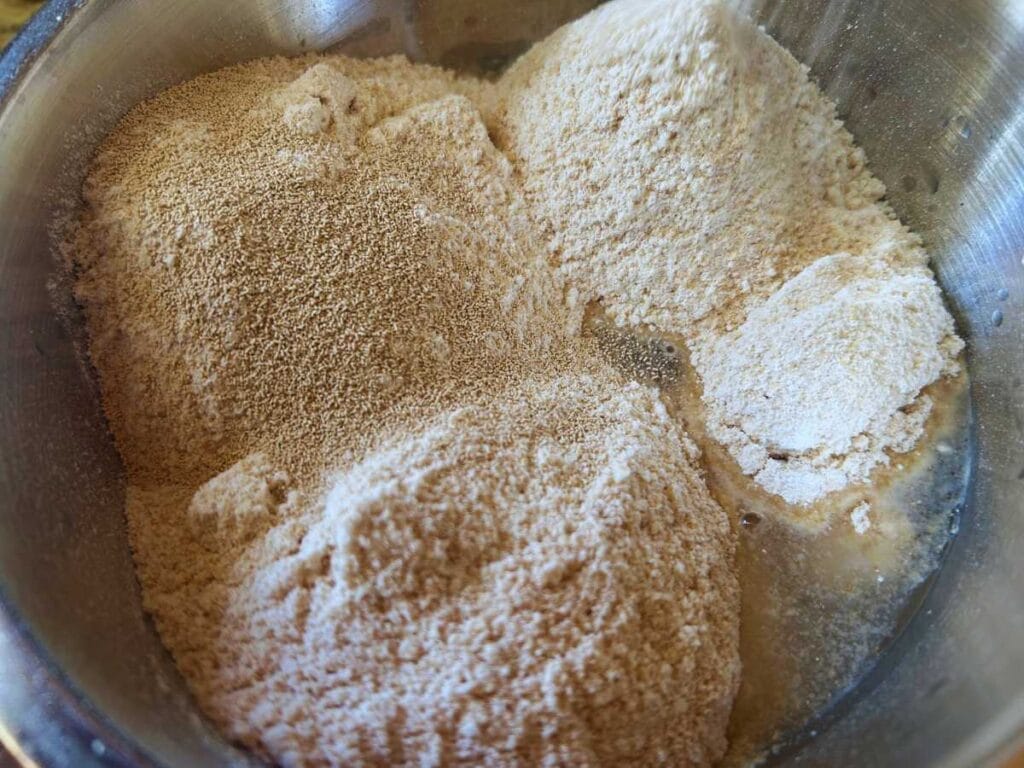
Mix: Using a Danish whisk or your hands, mix until it forms a rough, shaggy dough.
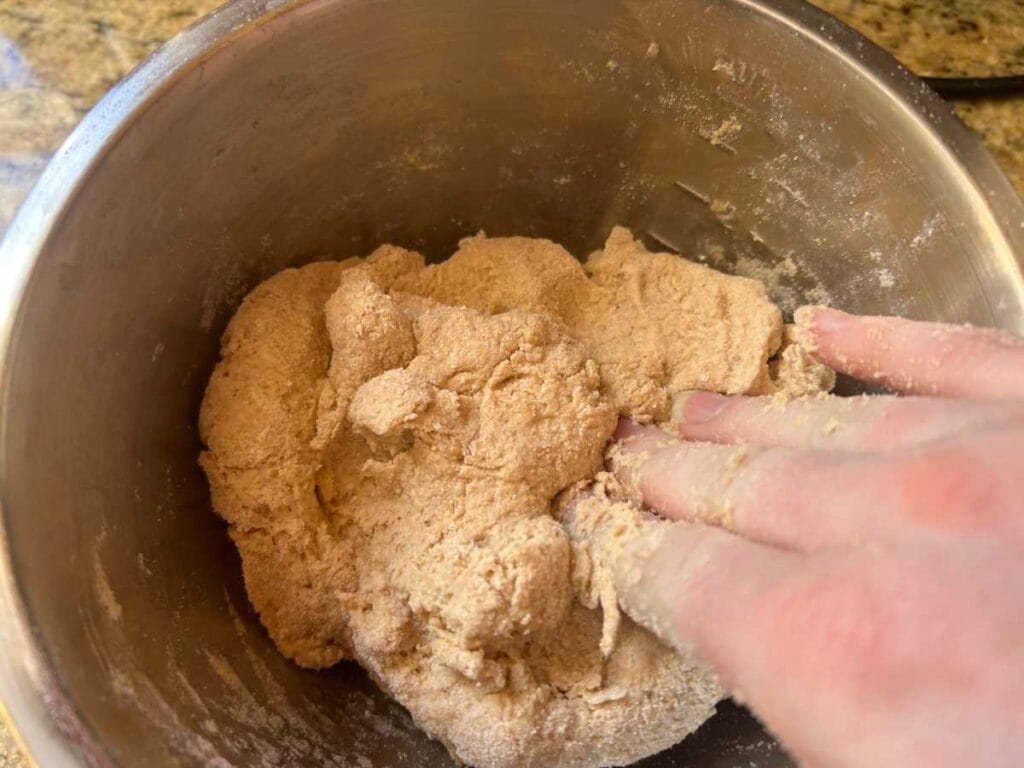
Knead: I work the dough by hand for a minute until all the flour is absorbed and I have a round, cohesive ball. The dough may be a bit sticky.
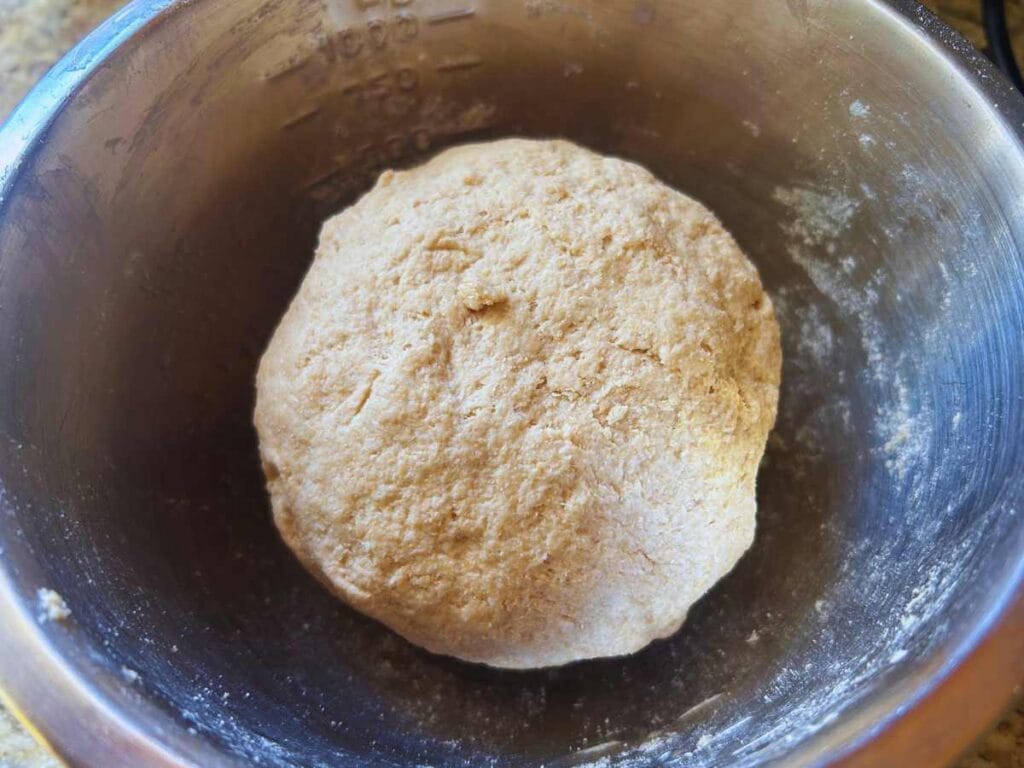
Ferment: Cover the bowl with plastic wrap and let ferment at room temperature for 8-12 hours, or overnight.
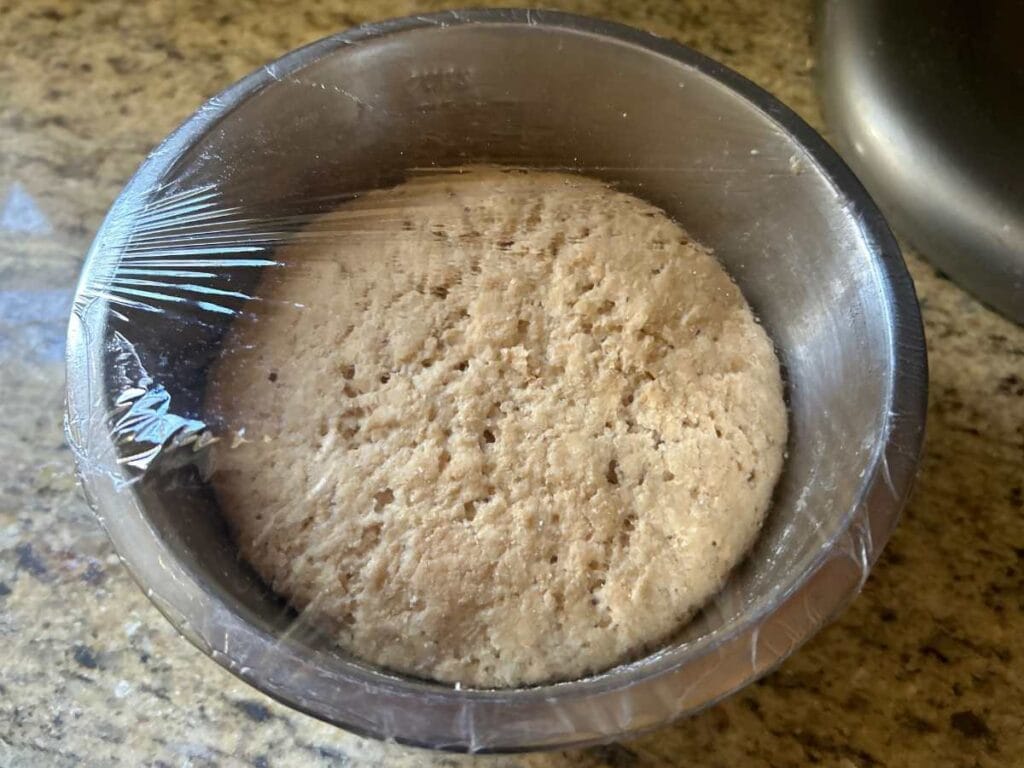
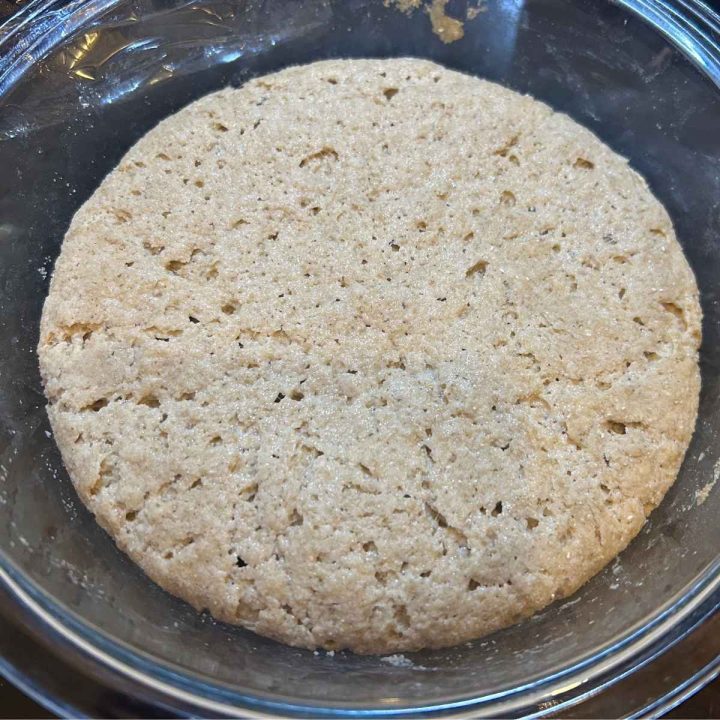
Use: Biga is ready when it has doubled in size, has a strong yeasty aroma, and shows small bubbles on the surface.
To Use Biga
Biga can be added to many breads by kneading it with the rest of the dough ingredients (I add it after autolyse). Make sure to adjust hydration as needed, since biga is a stiff pre-ferment.
When you add this dough starter to a bread recipe, you’re introducing a low‑hydration pre‑ferment. Because it is stiff, it contributes less water to the overall dough than a more liquid starter. To keep your final dough balanced, make sure to account for the flour and water in the biga. Treat the biga as part of your total formula:
- Subtract the flour in the biga from the total flour in your recipe
- Subtract the water in the biga from the total water in your recipe
- Then adjust the remaining water to reach your desired final dough hydration
Try using biga in our Country Loaf recipe, or experiment with adding it to your own recipes!
Example
| If your biga uses: | And your dough recipe calls for: | You would calculate: |
| 200g flour | 500g total flour | Remaining flour needed: 500g − 200g = 300g |
| 100g water | 350g total water | Remaining water needed: 350g − 100g = 250g |
Tips for Success
- Keep the ferment cool when not in use to avoid over-fermentation. It will keep in the fridge for 1-3 days.
- High protein flours works best for biga because they help build gluten.
- Because this pre-ferment is stiff, the final dough may seem tough at first. Give it time to relax during bulk rise and proofing.
- Adjust hydration accordingly when adding to a recipe. You don’t want your dough ending up too dry. You want to make sure you still get a great crumb and chewy texture.
Breads that Work Well with Biga
- Ciabatta: Known for its large holes and chewy texture – Try using in our Ciabatta Rolls
- Focaccia: Biga can help get focaccia’s light and airy texture while contributing to its flavor. You can work it into our Cheesy Focaccia or Pumpkin Pie Focaccia
- Rustic Country Loaves: Perfect for artisan loaves with a thick, crunchy crust like our Country Loaf
Biga is a simple tool for the bread baker to add to your flavor, texture, and dough strength. Adding it to your recipes will take your bread to the next level. I hope you’ll try it!
What Is Biga? Learn Why and How to Use in Fresh Milled Flour Bread Baking
What is biga and why is it a game-changer for bread baking? Learn how to make biga to create breads with incredible flavor and texture.
Ingredients
- 300g fresh milled flour
- 200g water (cool)
- 3g instant yeast (about 1 teaspoon)
Instructions
- Prep: The night before you plan to bake, combine fresh flour, water, and yeast in a small bowl.
- Mix: Using a Danish whisk or your hands, mix until it forms a rough, shaggy dough.
- Knead: I work the dough by hand for a minute until all the flour is absorbed and I have a round, cohesive ball. The dough may be a bit sticky.
- Ferment: Cover the bowl with plastic wrap and let ferment at room temperature for 8-12 hours, or overnight.
- Use: Biga is ready when it has doubled in size, has a strong yeasty aroma, and shows small bubbles on the surface.
Notes
- This recipe makes enough for about 4 loaves
- I prefer to use hard white or red flour
To Use Biga
Biga can be added to many breads by kneading it with the rest of the dough ingredients (I add it after autolyse). Make sure to adjust hydration as needed, since biga is a stiff pre-ferment.
When you add this dough starter to a bread recipe, you’re introducing a low‑hydration pre‑ferment. Because biga is stiff, it contributes less water to the overall dough than a more liquid starter. To keep your final dough balanced, make sure to account for the flour and water in the biga. Treat the biga as part of your total formula:
- Subtract the flour in the biga from the total flour in your recipe
- Subtract the water in the biga from the total water in your recipe
- Then adjust the remaining water to reach your desired final dough hydration
Nutrition Information
Yield 50 Serving Size 1Amount Per Serving Calories 22Total Fat 0gSaturated Fat 0gUnsaturated Fat 0gSodium 0mgCarbohydrates 5gFiber 0gSugar 0gProtein 1g
*This has not been evaluated by the FDA. Nutrition Label may not be accurate. This label has been automatically pulled, and ingredients may not be categorized correctly.
FAQS
While both are pre-ferments, biga uses commercial yeast and has a different flavor profile than sourdough starter. Experiment, but you may have to make adjustments.
Biga is best used within 1 day of completed fermentation but can be refrigerated for an additional 1-2 days.
Biga works best for rustic, savory breads, but it can sometimes be used in mildly sweet recipes like brioche bread.