
Favorite Homemade Tallow Soap Recipes with Tutorials (Cold-Process)
We love making homemade tallow soap recipes in our home, and we hope you will too! Bookmark this page and come back often because we’ll keep adding new soap recipes and tutorials as they make their way into our soap rotation.
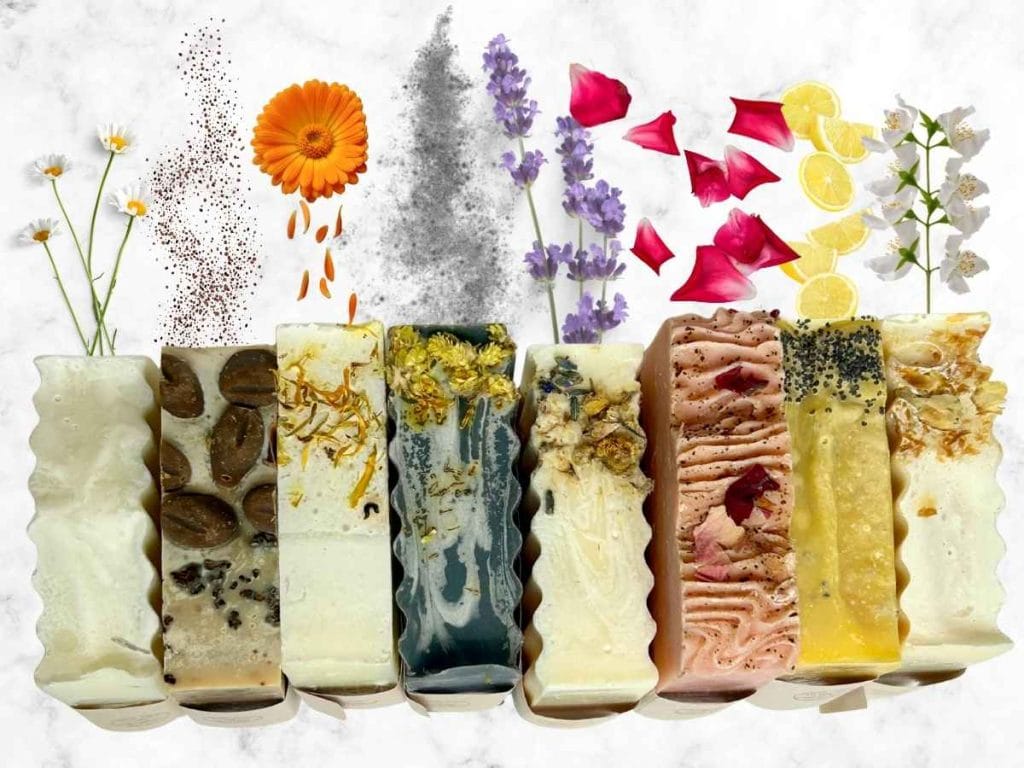
Check out our How to Make Tallow Soap post if you are a beginner to soap-making and want the basics!
This post contains affiliate links. As an Amazon associate or other affiliate, I earn from qualifying purchases. We try to recommend products we personally use or have used and trust. If you choose to purchase through our links in this post, we may receive a commission, at no extra cost to you. Read the full disclosure here.
I am not a doctor or medical professional; nothing written here should be taken as medical advice or knowledge. Please consult your doctor before ingesting or applying any herbs or soaps to your skin. We are not professional soap-makers; please take caution when making homemade soap and using lye.
Why You’ll Love Homemade Tallow Soap Recipes
Made with simple ingredients, no harsh fragrances or strange additives. This is definitely the way to wash. Homemade tallow soap recipes bring that old‑fashioned, deeply nourishing simplicity back into your home. It’s practical, gentle, and endlessly customizable. It’s perfect for anyone who loves making everyday things a little more intentional.
- Tallow makes a rich, creamy lather that feels luxurious while still being incredibly gentle on skin.
- Bars last a long time, thanks to tallow’s naturally hard, stable structure.
- You control every ingredient, keeping your soap clean, simple, and free from fillers.
- It’s a beautiful way to use the whole animal, especially if you render your own tallow or buy from a local farm.
Sometimes life gets busy, and you just don’t have the time to make it yourself. Visit our shop to buy our handcrafted tallow soaps.
Tools for Soap Making with Tallow
- Small Crockpot
- Stainless Steel Bowls
- Silicone Spatulas
- Kitchen Scale
- Lye
- Soap Mold and Cutter
- Cookie Sheet
- Cheesecloth and Strainer
- Immersion Blender (stick blender)
- Infrared Thermometer
- Protective Glasses and Gloves
Homemade Tallow Soap Recipes
Chamomile Lavender Soap
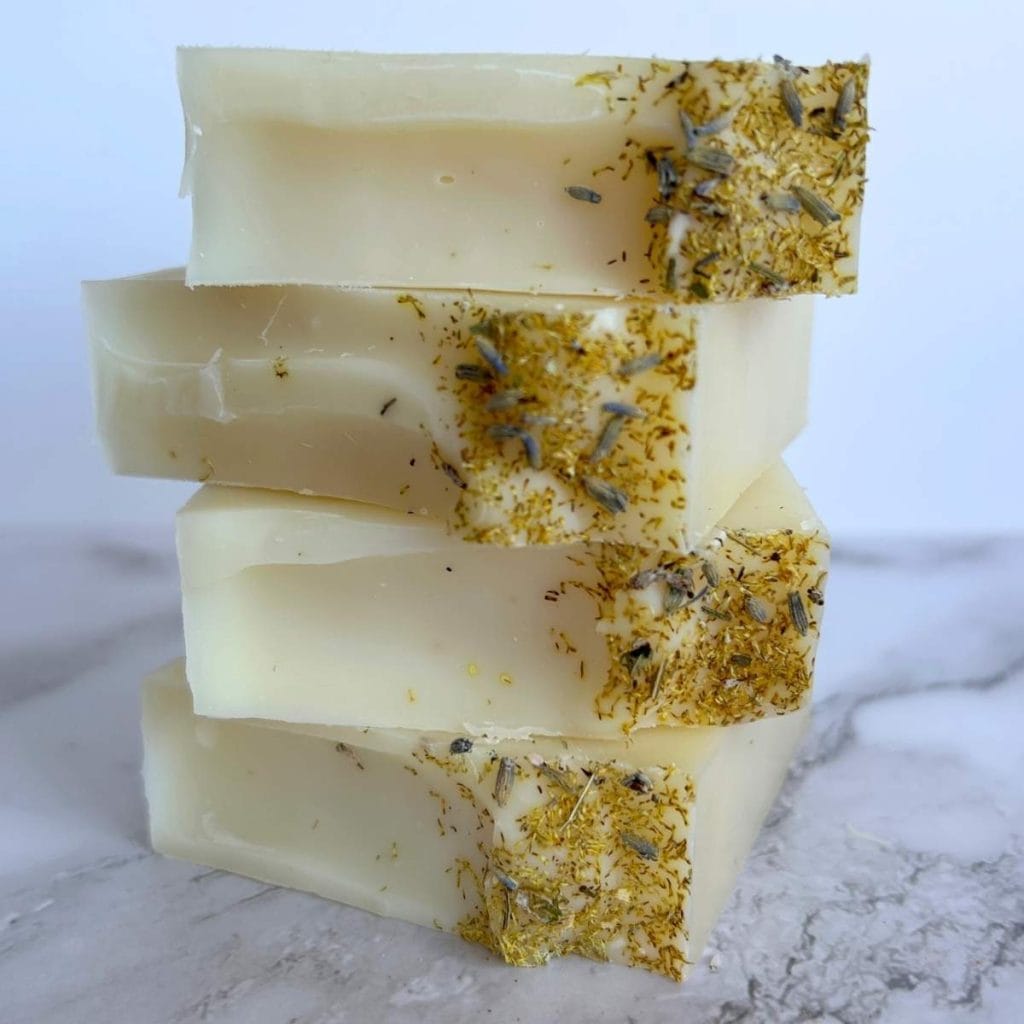
A soothing, old‑fashioned bar that pairs infused tallow, chamomile, and lavender for a calming, skin‑gentle wash. This recipe leans into the charm of slow, traditional soapmaking, blending simple fats, and finishing with a soft floral scent. The result is a creamy, nourishing bar perfect for everyday use, gifting, or adding a peaceful touch to your bath routine. It’s a beautiful beginner‑friendly soap that feels both rustic and luxurious. Grab the DIY.
Charcoal & Tea Tree Soap
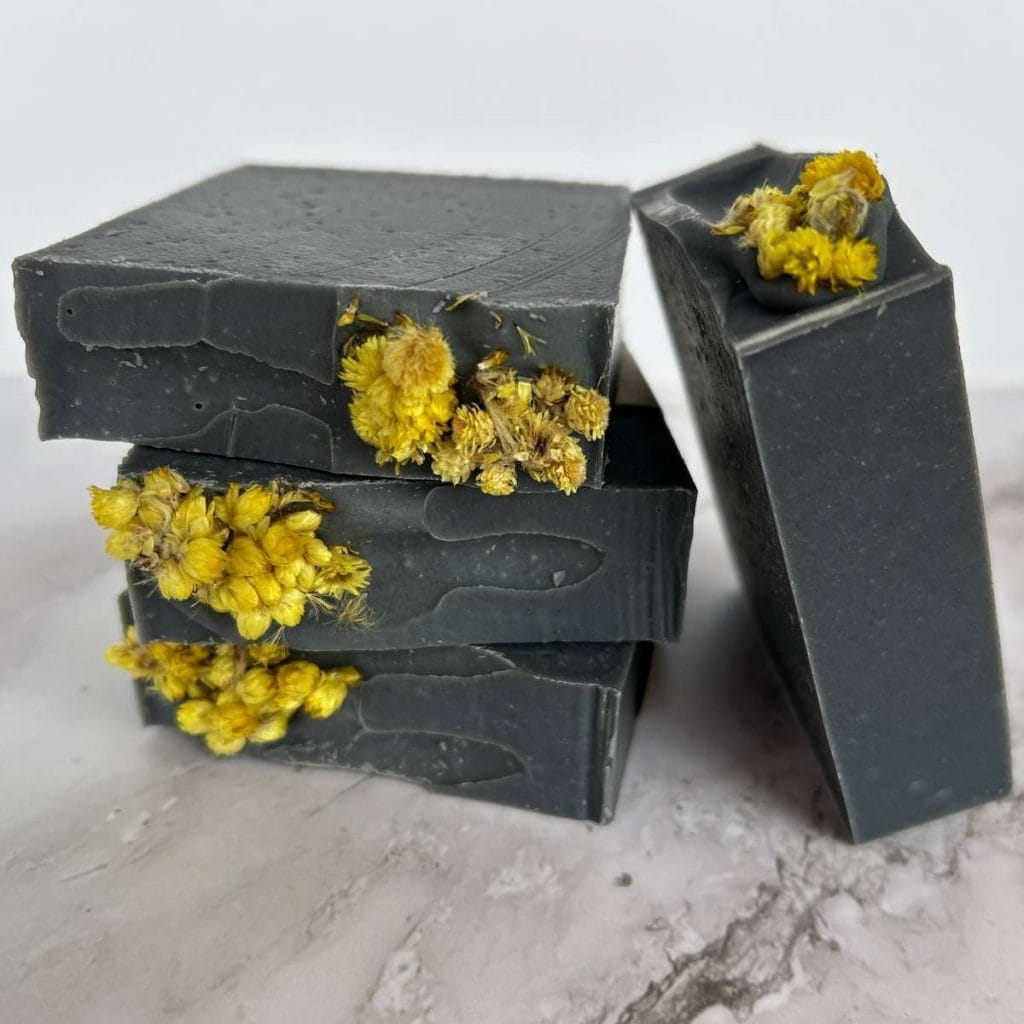
This deep‑cleansing bar blends activated charcoal, aloe, and tea tree essential oil with creamy rendered tallow for a soap that detoxifies without stripping the skin. It’s designed for hardworking hands and is perfect after gardening, cooking, or messy kid days—offering that “squeaky clean but still soft” feel thanks to tallow’s natural moisturizing properties. This bar is a favorite for everyday use and a great addition to any tallow‑based soap collection. Get the DIY.
Camo & Pine Soap
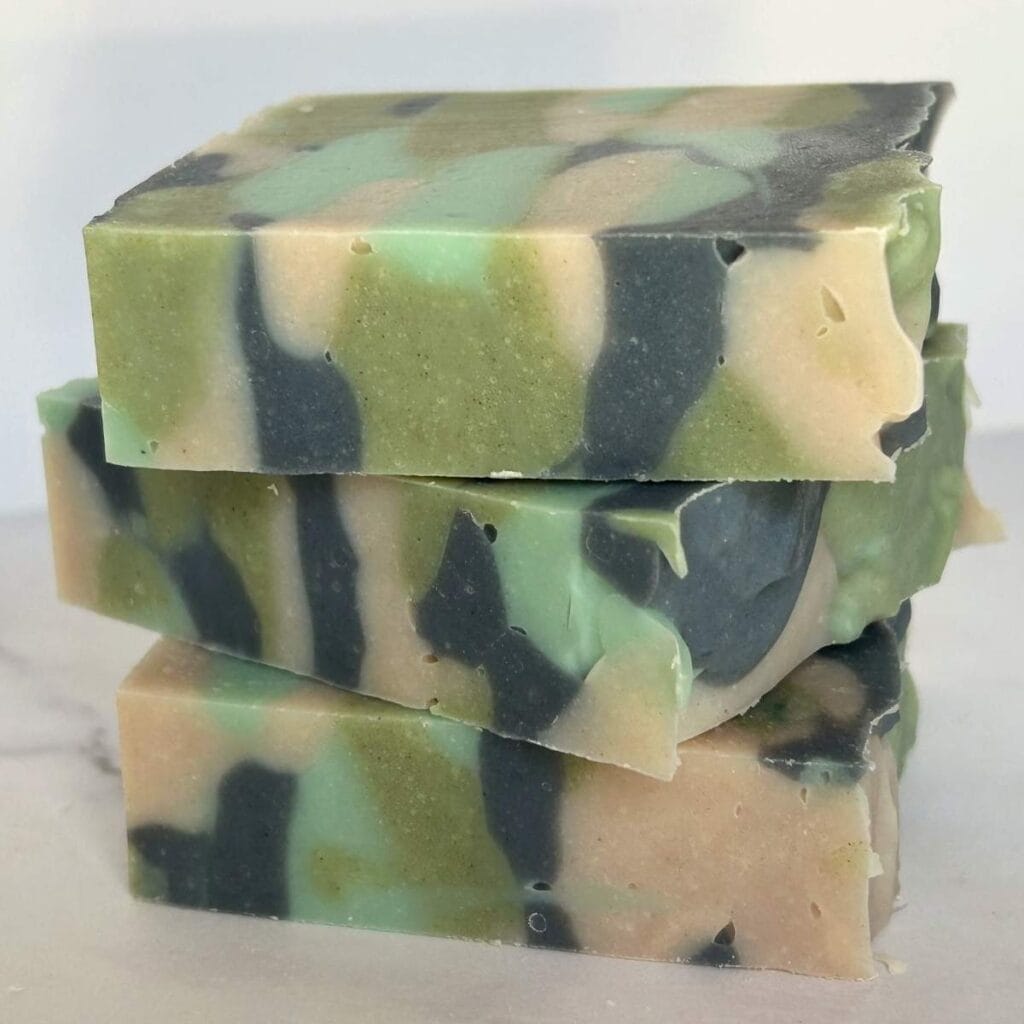
A rugged, woodsy bar designed for outdoor lovers, this soap blends creamy tallow with a fresh pine essential oil aroma and a fun camo swirl. It’s a hardworking cold‑process bar that cleans deeply while staying gentle on skin, making it perfect for camping trips, hunting season, or gifting to the outdoorsmen in your life. It’s a playful, practical addition to any tallow soap collection. Grab the DIY.
Rosemary Mint Soap
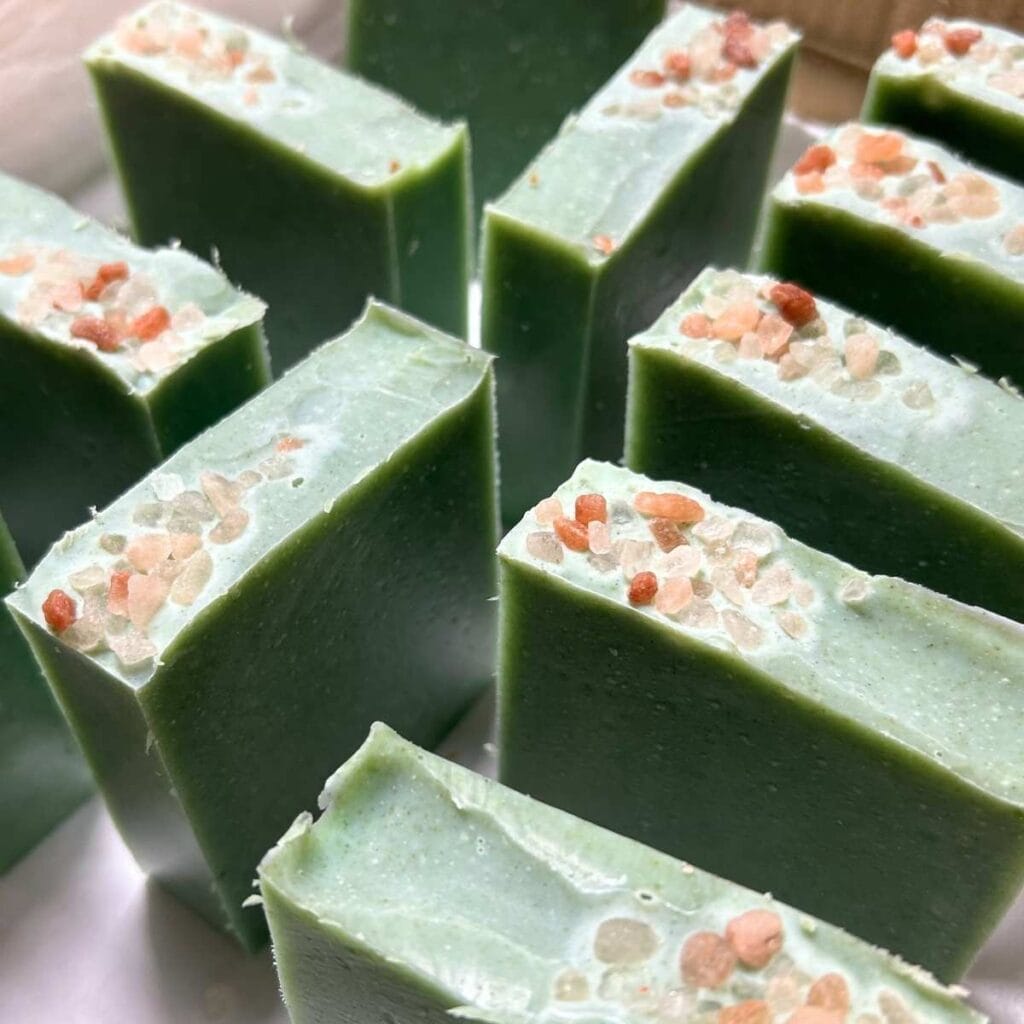
A bright, refreshing bar that brings together herb‑infused tallow, cooling peppermint, and earthy rosemary for a clean, invigorating wash. You’ll have a naturally scented bar that feels both uplifting and grounding. With its creamy lather and crisp aroma, it’s a perfect everyday soap, especially for morning showers or gifting to anyone who loves a fresh, herbal scent. A beautiful addition to any tallow soap collection. Get the recipe.
Eucalyptus Mint Soap
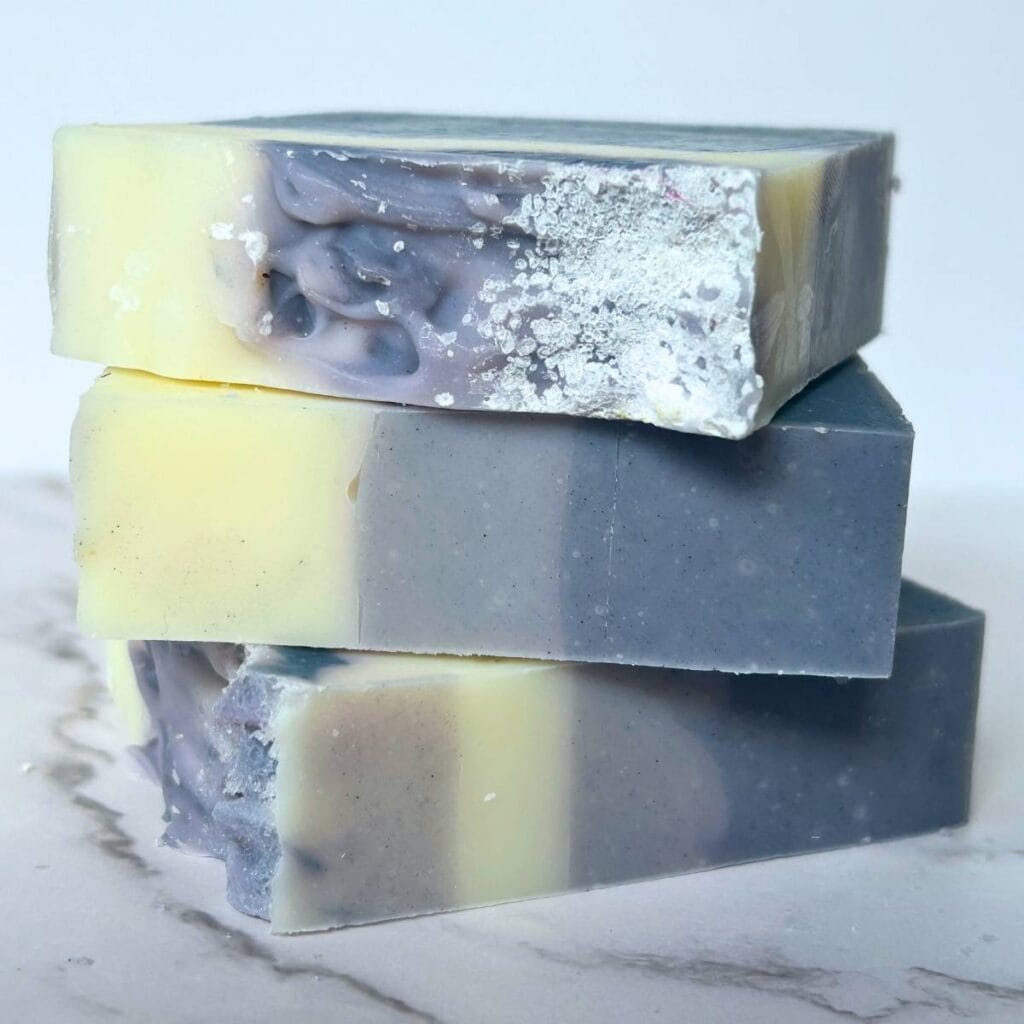
An invigorating bar that blends eucalyptus, peppermint, and Dead Sea salt with creamy, chamomile‑infused tallow. This soap delivers a cool, spa‑fresh scent that opens the sinuses and wakes up the senses, while the salt adds gentle exfoliation and a mineral‑rich boost. With its creamy lather, crisp herbal aroma, and beautiful ocean‑wave design, it’s a standout addition to any tallow soap collection—perfect for gifting or elevating your everyday shower. Grab the DIY recipe.
Spiced Honey Vanilla Soap
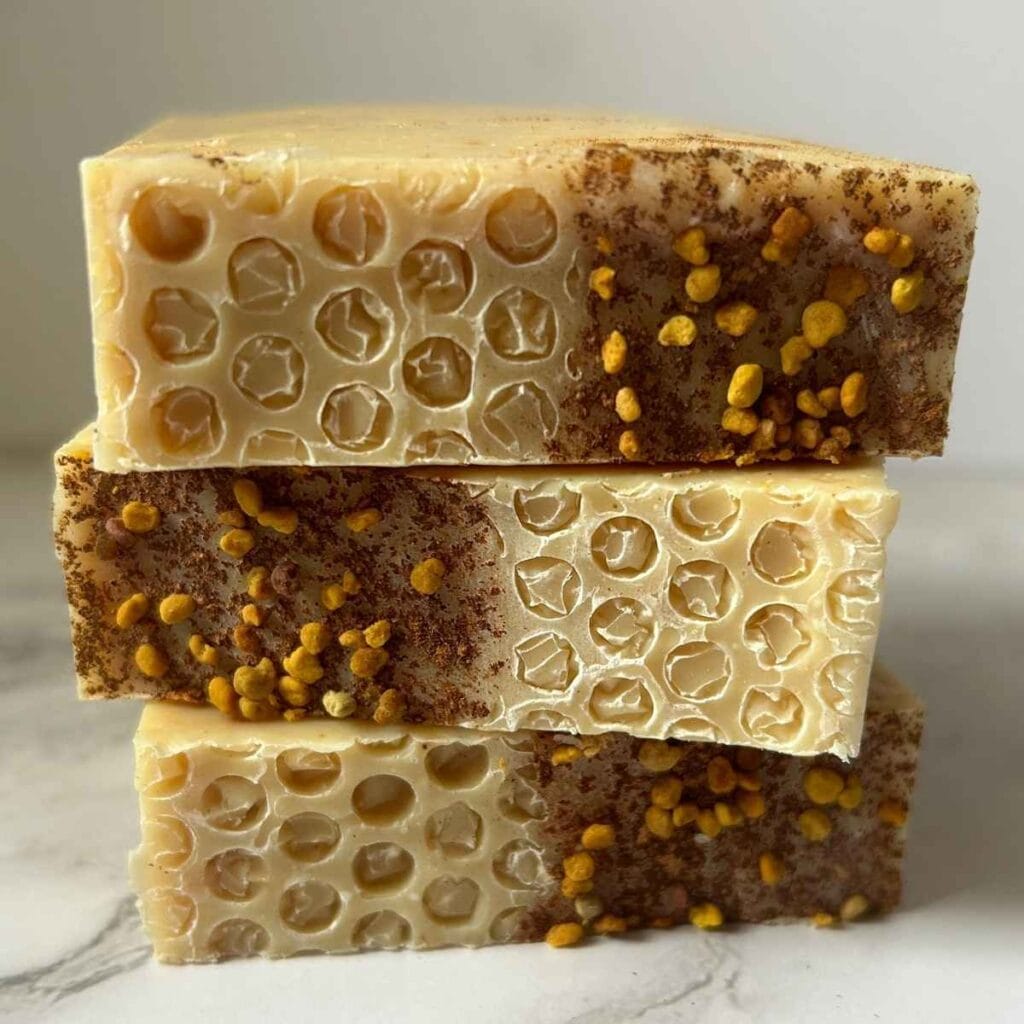
A cozy, dessert‑like bar that blends creamy tallow, raw honey, and warm baking spices with a soft vanilla finish. You’ll get that signature warm‑spice aroma that feels like stepping into a holiday kitchen. The bar cures into a beautifully smooth, nourishing soap with a gentle lather and a naturally sweet scent. It’s a comforting, gift‑worthy addition to any tallow soap roundup and is perfect for fall, winter, or anyone who loves a warm, inviting bar. Grab the recipe.
Coffee Scrub Soap
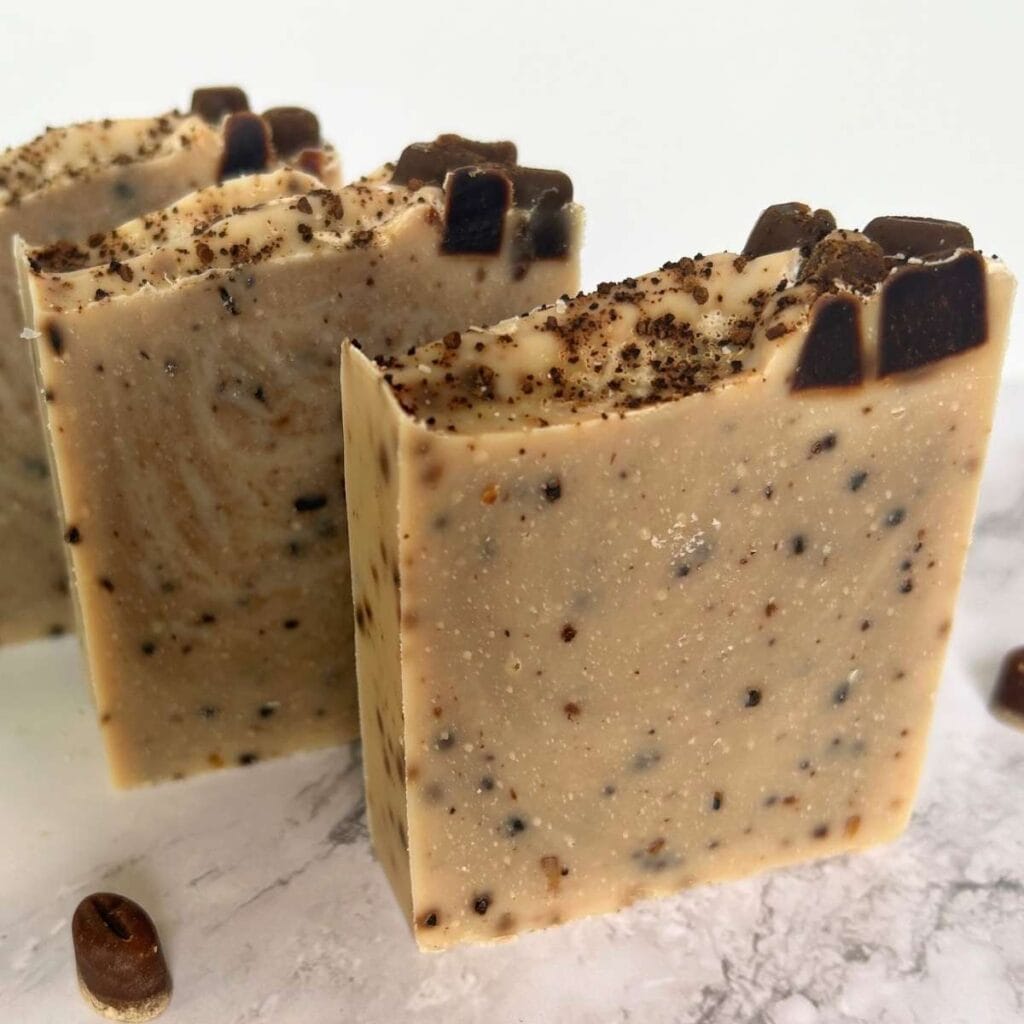
A cozy, exfoliating bar that pairs vanilla‑infused tallow, brewed coffee, and fresh grounds for a soap that smells like a warm café and leaves skin incredibly smooth. This recipe blends the nourishing richness of tallow with the gentle grit of coffee for natural exfoliation, creating a bar that cleans deeply without drying out. With optional coffee bean soap embeds and a beautifully textured top, it’s a fun, aromatic bar that feels both rustic and indulgent. Grab the How-to.
3 Sugar Soap
A beautifully layered bar blends honey, molasses, and maple syrup with creamy tallow for a soap that looks—and smells—warm, sweet, and cozy. Each sugar brings its own color, lather boost, and skin‑loving benefits, creating a bubbly, conditioning bar without any added fragrance. Finished with turbinado sugar and vanilla bean powder, this bar offers gentle exfoliation and a rustic, handcrafted aesthetic. It’s perfect for gifting or for anyone who loves a naturally sweet, warm‑toned bar. Get the DIY instructions.

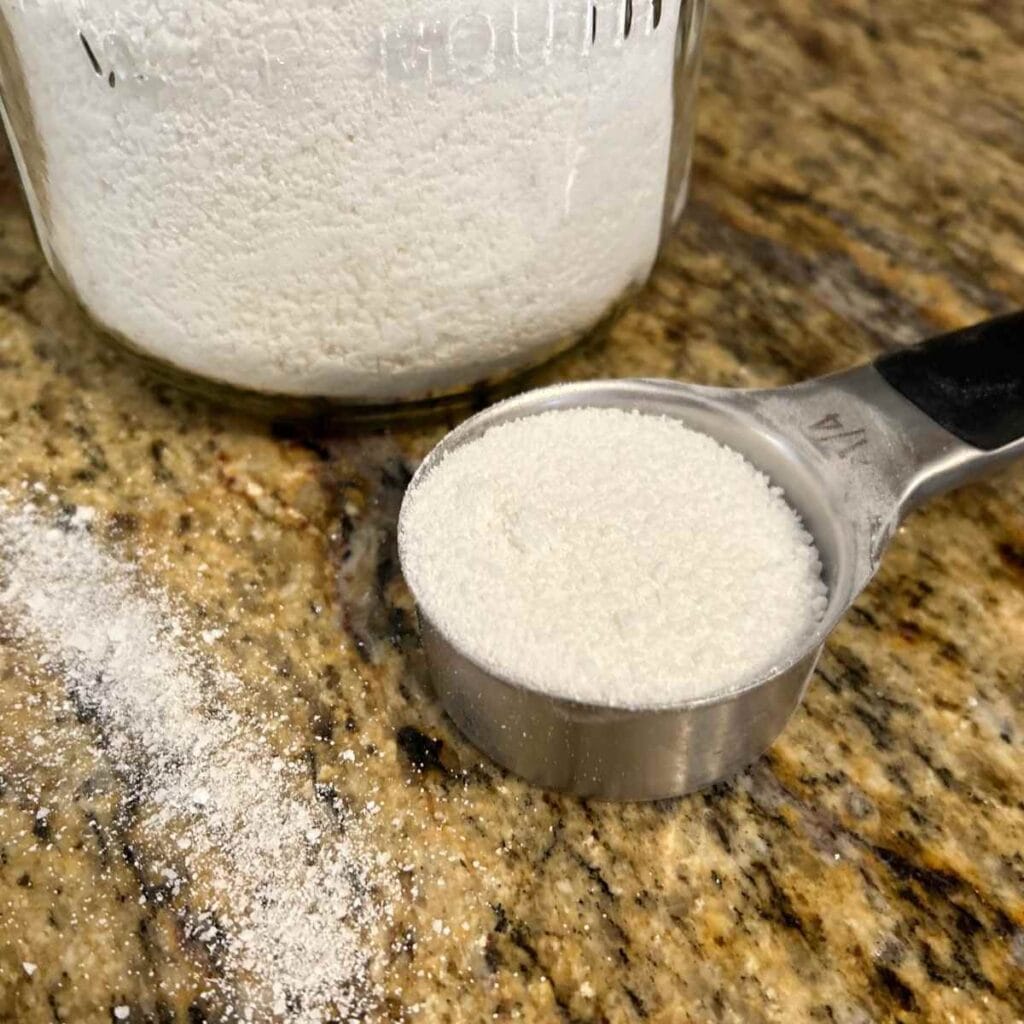
Laundry Powder from Bars
Make natural and effective homemade tallow laundry soap with your bars and a few other ingredients. Learn how to create your own budget-friendly and non-toxic laundry powder that cleans well and supports the hint of homesteading mindset. Grab the How-to.
Citrus Sorbet Soap
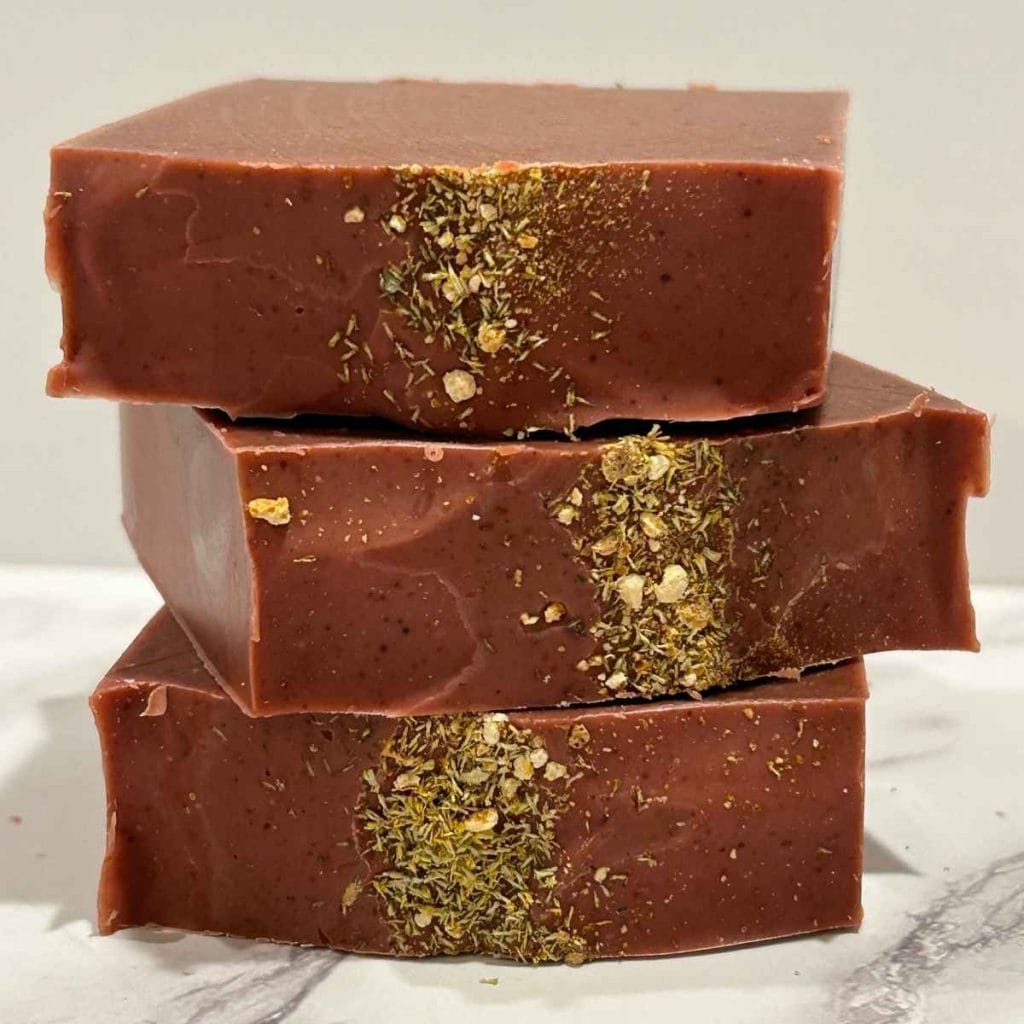
This bright and refreshing Citrus Sorbet tallow soap recipe is the perfect blend of creamy lather, natural nourishment, and sunny citrus vibes. A beginner-friendly cold-process soap tutorial that’ll make soap feel approachable and you feel like a superstar. Add this cheerful bar to your home! Get the DIY.
Solid Tallow Dish Soap
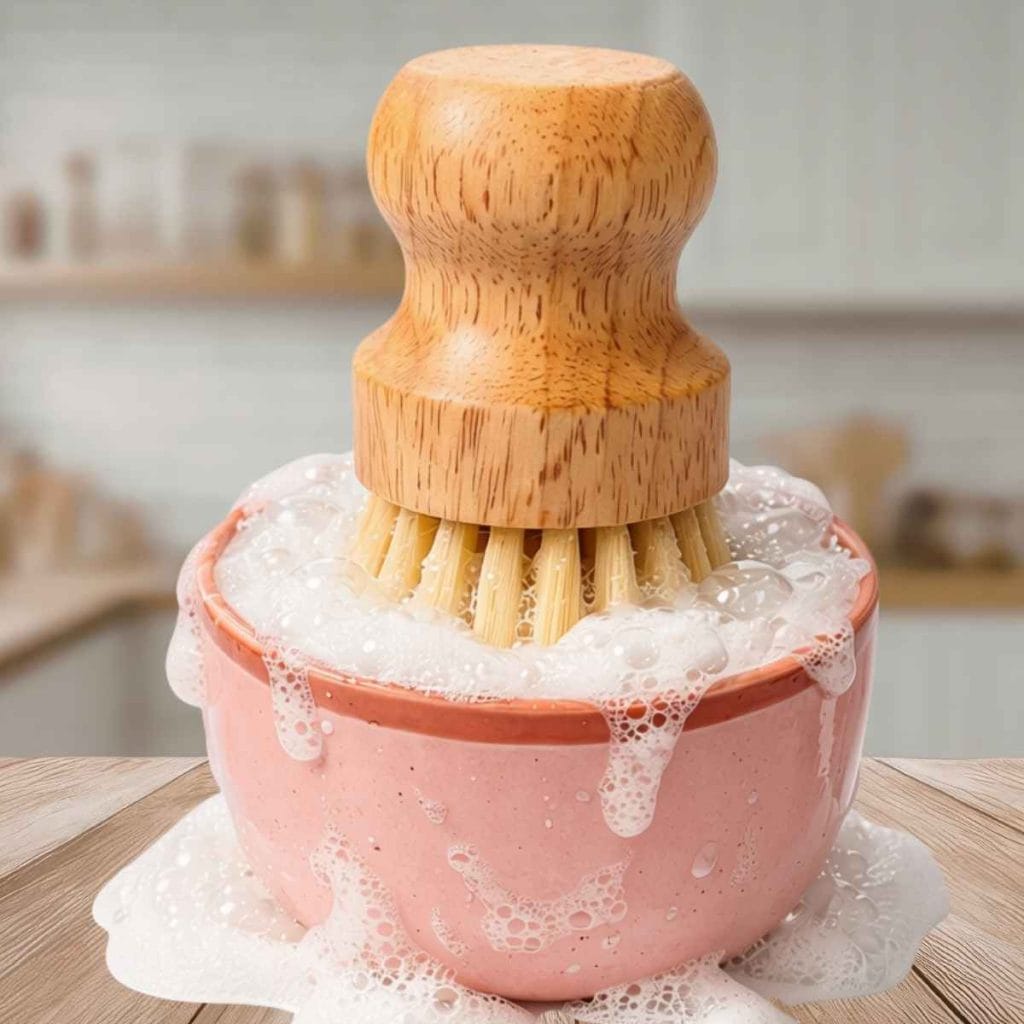
This DIY solid dish soap is a zero‑waste, tallow‑based staple that brings old‑fashioned practicality right into a modern kitchen. With simple ingredients, clear steps, and plenty of customization ideas, it’s an approachable project that leaves your sink stocked with something beautiful, effective, and homemade. Grab the how-to here.
As you dive into these recipes, I hope you feel that same simple joy that comes from creating something useful with your own two hands. Whether you’re stocking your homestead shelves or just dipping a toe into cold‑process soapmaking, these homemade tallow soap recipes are such a rewarding place to begin. Happy soaping, friends!

How to Make Tallow Soap Tutorial
Bar soap is making a comeback and leaving behind its old friend the plastic bottle. Let's learn how to make our own tallow soap at home so you never have to worry about running out of soap again.
Materials
- 24oz Tallow (rendered)
- 8oz Coconut Oil
- 8oz Olive oil
- 5.67oz Lye (Sodium Hydroxide)
- 11.35oz Water
- 1.25oz Essential oils (optional)
Tools
- Small Crockpot
- Stainless Steel Bowls
- Silicone Spatulas
- Kitchen Scale
- Lye
- Soap Mold and Cutter
- Cookie Sheet
- Immersion Blender
- Infrared Thermometer
- Protective Glasses and Gloves
Instructions
- Organize your workspace and gather supplies, making sure it's clean and clear of obstructions
- Weight tallow, coconut oil, and olive oil
- Melt tallow and oils together on warm setting in crockpot, until they reach around 120-130°
- Put on protective gear and weigh lye amount, being sure not to touch any crystals
- Weigh water into a separate stainless-steel bowl
- Pour lye crystals into water (snow on a pond) in a well-ventilated area or outside, it will give off heat and fumes so keep your face away
- Stir well and leave lye water to dissolve into a clear liquid for about 10-15 minutes
- Pour heated tallow and oils into another stainless-steel bowl to cool slightly for about 15 minutes
- Check the temperature of your lye and tallow continuously until they have both reached approx. 100° (it’s okay if lye is cooler than tallow), this can take another 15-20 minutes
- Once lye and oils have cooled enough, pour lye mixture into oils
- Keeping the immersion blender submerged, pulse for about 15 seconds, then use stick to stir the mixture, switching between pulsing and stirring a couple times (we don't want a lot of air bubbles)
- Check to see if the mixture is thickening and close to trace (see notes for what “trace” means)
- Repeat previous 2 steps until you reach medium trace.
- Add essential oils if desired and stir in well with spatula
- Place mold on a cookie sheet
- Pour soup batter into mold, tapping cookie sheet on counter to remove bubbles
- Cover with wax paper or plastic wrap for 24-48 hours and if possible, wrap a cloth or towel around the mold to insulate
- After 24-28 hours, remove from mold and cut bars to desired size, I get about 11 bars in a loaf
- Store to cure for 4-6 weeks so that all remaining water evaporates, and bar hardens
Notes
Always run a soap recipe through a lye calculator — I use SoapCalc.net.
Wear eye and hand protection, you do not want to be splashed with lye or unsaponified soap. Long sleeves, pants, and shoes are great too.
Do not have children nearby while making soap.
We always use weight when measuring, not volume.
Do not use any melt-and-pour soaps (pre-bought soap ingredients often in craft stores) in this process.
ALWAYS pour lye into water. NEVER pour water into the lye. A hard pocket of undissolved crystals can occur, and you could end up with undissolved lye in your soap, or lye could explode out of your bowl. Be safe!
Trace is when the soap mixture has emulsified to the stage of looking like pudding. Let some of the soap drop off the blender or a spatula, and you should be able to see it kind of sitting on top of the rest of the mixture.
Cure soap in a dark, dry area
Soda ash is a white, ashy film that can sometimes show up on soap when you go to cut it. It happens when unsaponified lye reacts with carbon dioxide in the air. The quality of soap is not diminished, and the soap is safe to use. There are tricks to get rid of it like steaming.
Brambleberry is a great resource for beginner soap-makers
Soap additives can include essential oils, clays, milks, honey, herbs, salt, coffee, etc.



these are so cute! I can’t wait to try all the different combinations.
These are positively beautiful! Thank you for this recipe. We’ve just begun to make our own tallow a year ago so I’m excited to try this!
Thank you! You’re going to love tallow soap 🙂