
How to Make Homemade DIY Solid Dish Soap with Tallow
Let me teach you how to make DIY solid dish soap with tallow using the cold-process method! If you’ve been trying to ditch the plastic bottles and the blue stuff, or just want to clean your dishes with something natural, this homemade tallow dish soap is the perfect fit.
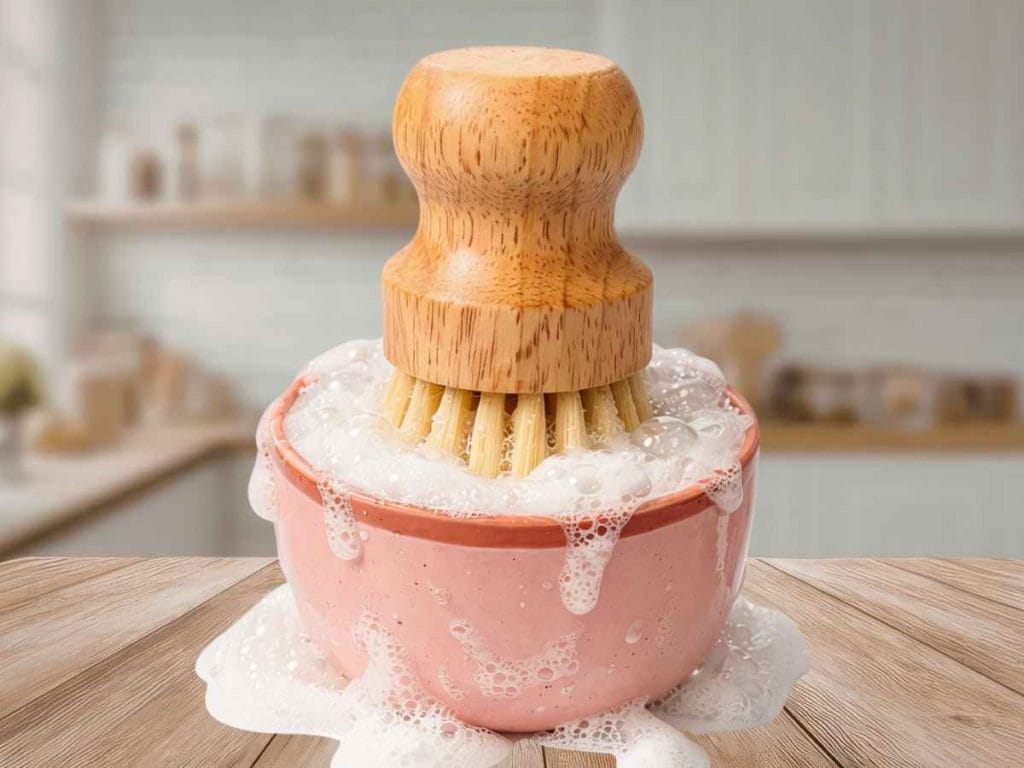
Making your own solid dish soap with tallow isn’t just satisfying; it’ll make you feel like a pioneer and a Pinterest master!
Looking for more cold-process tallow soap tutorials? We’ve got you covered with some of our favorites, like Chamomile Lavender Tallow Soap, Citrus Sorbet, 3-Sugar Tallow Soap, Coffee Scrub Soap, Charcoal & Tea Tree Tallow Soap, Rosemary Mint Tallow Soap, Eucalyptus Mint Soap, Pine Camo Tallow Soap, or Spice Honey Vanilla Soap.
Check out our How to Render Tallow Tutorial or our How to Make Tallow Soap Tutorial for the basics of soap making. Then clean up using your own solid dish soap!
You may also like our how-tos on making Tallow Laundry Soap, Tallow Shampoo Bars, or Tallow Balms.
This post contains affiliate links. As an Amazon associate or other affiliate, I earn from qualifying purchases. We try to recommend products we personally use or have used and trust. If you choose to purchase through our links in this post, we may receive a commission, at no extra cost to you. Read the full disclosure here.
Why Solid Dish Soap?
Before we make our own suds, let’s talk why this is going to be your new favorite way to wash dishes.
- Eco-friendly: No plastic bottles and using all parts of the animal = less waste.
- Cheaper: One ramekin of soap lasts forever (okay, maybe not forever, but months).
- Pretty: These solid dish soap bowls look gorgeous next to your sink.
- Tough on Grease: This soap works wonders on dirt and grime, especially when tallow is involved!
Before You Begin Making Tallow Dish Soap
**SAFETY FIRST when working with lye. Have vinegar nearby in case of spills. Cold process soap is made using sodium hydroxide, which requires proper safety precautions. I am not a professional so make this recipe at your own risk.
Always:
- Wear eye protection and gloves. Long sleeves, pants, and shoes are great too.
- Work in a well-ventilated area.
- Pour lye into water. NEVER pour water into the lye. A hard pocket of undissolved crystals can occur, and you could end up with undissolved lye in your soap, or lye could explode out of your bowl. Be safe!
- Keep children and pets away from your workspace.
- Accurately weigh every ingredient. Run a soap recipe (even mine) through a lye calculator like SoapCalc.net. Soap making is basically kitchen chemistry. Use a digital scale and always measure in grams or ounces, never cups.
Tallow Solid Dish Soap Recipe
Tools
- Small Crockpot or slow cooker
- Stainless Steel Bowls
- Silicone Spatulas
- Kitchen Scale
- Ceramic Ramekins
- Baking Pan
- Plastic Wrap
- Immersion Blender (stick blender)
- Infrared Thermometer
- Protective Glasses and Gloves
- Bamboo Scrub Brushes
Ingredients
- 25 oz Tallow (rendered)
- 17 oz Coconut Oil (virgin, cold-pressed)
- 8 oz Castor Oil
- .68 oz Citric Acid
- 8 oz Lye (Sodium Hydroxide)
- 16 oz Water
- 1.25 oz Essential Oils (optional)
Notes:
- Cure soap in a dark, dry area
- Always run a soap recipe through a lye calculator — I use SoapCalc.net
- Wear eye and hand protection, you do not want to be splashed with lye or unsaponified soap(long sleeves are a good idea). Lye water will give off heat and fumes, so keep your face away and be a in well-ventilated area or outside. Be safe!
- DO NOT have children nearby while making soap
- Do not use any melt-and-pour soaps (pre-bought soap ingredients often in craft stores) in this process.
- ALWAYS pour lye into water. NEVER pour water into the lye. A hard pocket of undissolved crystals can occur, and you could end up with undissolved lye in your soap, or lye could explode out of your bowl
- *Trace is when the soap mixture has emulsified to the stage of looking like pudding. Let some of the soap drop off the blender or a spatula, and you should be able to see it kind of sitting on top of the rest of the mixture
- This recipe makes about 12 ramekins full of soap batter
Step-by-Step: How to Make Solid Dish Soap with Tallow
Prep: Organize your workspace and gather supplies, making sure it’s clean and clear of obstructions. Weigh tallow, coconut oil, and castor oil, and melt them together on the warm setting in a crockpot until they reach around 140°.
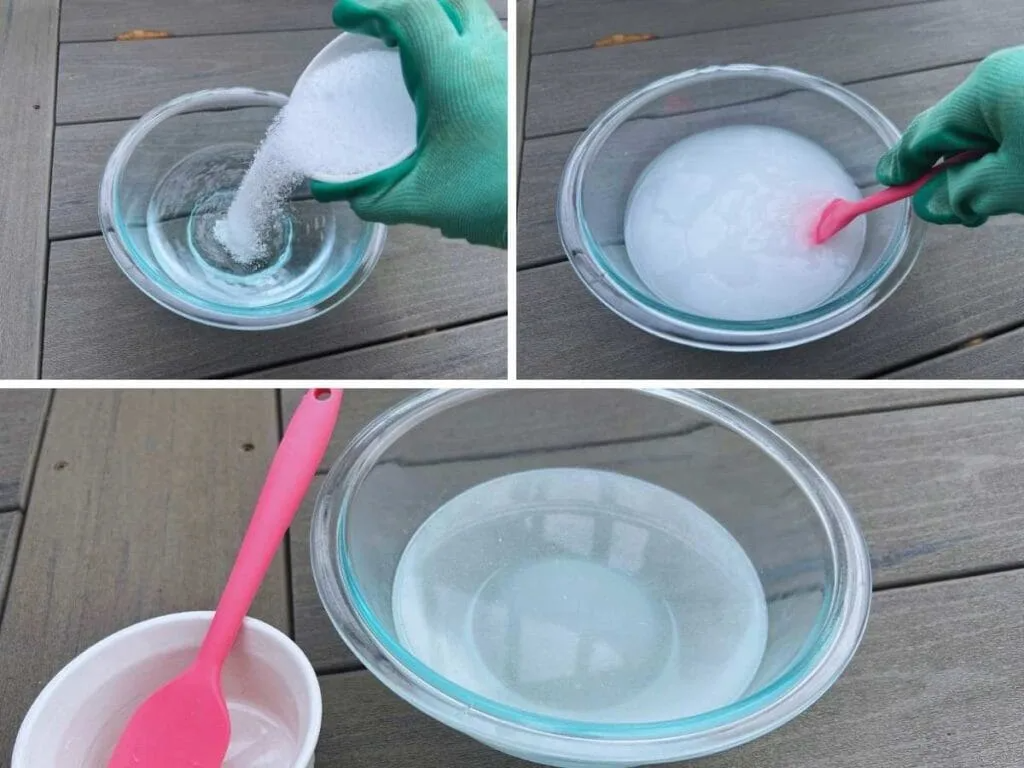
Citric Acid: Weigh room-temperature water into a separate bowl. Dissolve the citric acid in all of the water. Warm water isn’t necessary, but if you do use warm water, let it cool before adding lye (DO NOT use hot water).
Mix Lye: Put on protective gear and weigh your lye in a small bowl, being sure not to touch any crystals. Pour lye crystals into the citric acid water (snow on a pond) in a well-ventilated area or outside. Stir well and leave the lye water to dissolve into a clear liquid for about 10-15 minutes.
Cool Fats: Pour heated tallow and oils into another bowl to cool slightly for about 15 minutes. Check the temperature of your lye and tallow continuously until they have both reached approx. 100° (it’s okay if the lye is cooler than the fats), this can take 15-20 minutes or more.
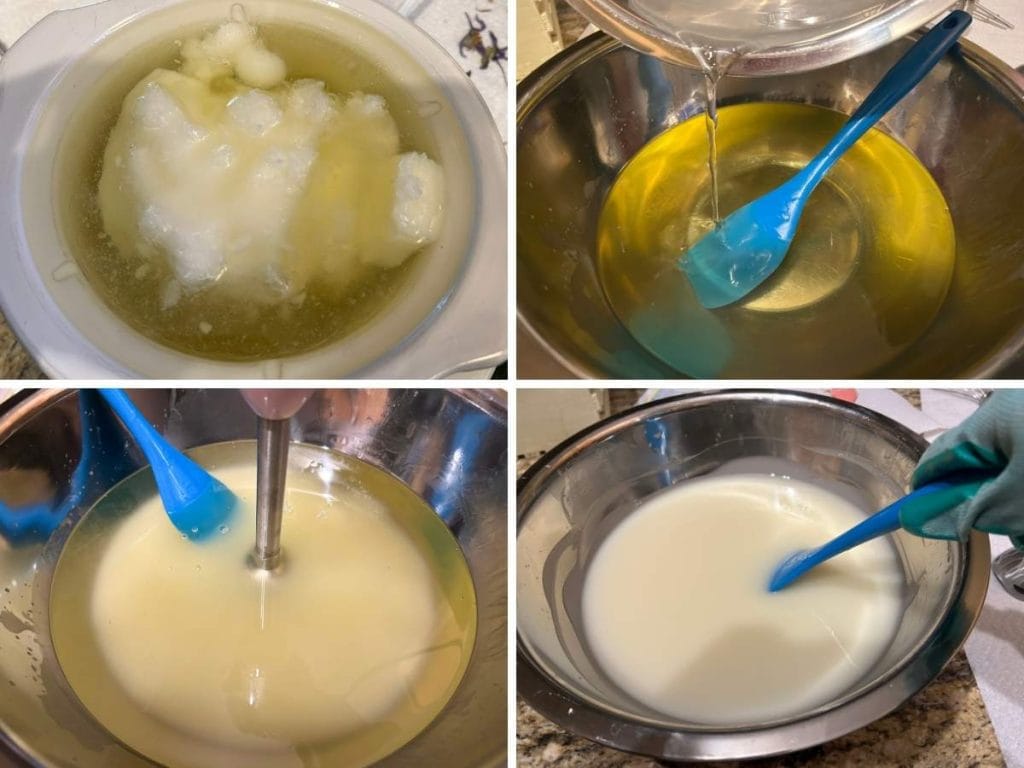
Mix Soap Batter: Once lye and oils have cooled enough, pour lye mixture into oils. Keeping an immersion blender submerged, pulse for about 15 seconds, then use the stick or spatula to stir the mixture, switching between pulsing and stirring a few times (we don’t want too many air bubbles).
Check to see if the mixture is thickening and close to trace. Add essential oils if using. Keep mixing until you reach medium trace (pudding-like).
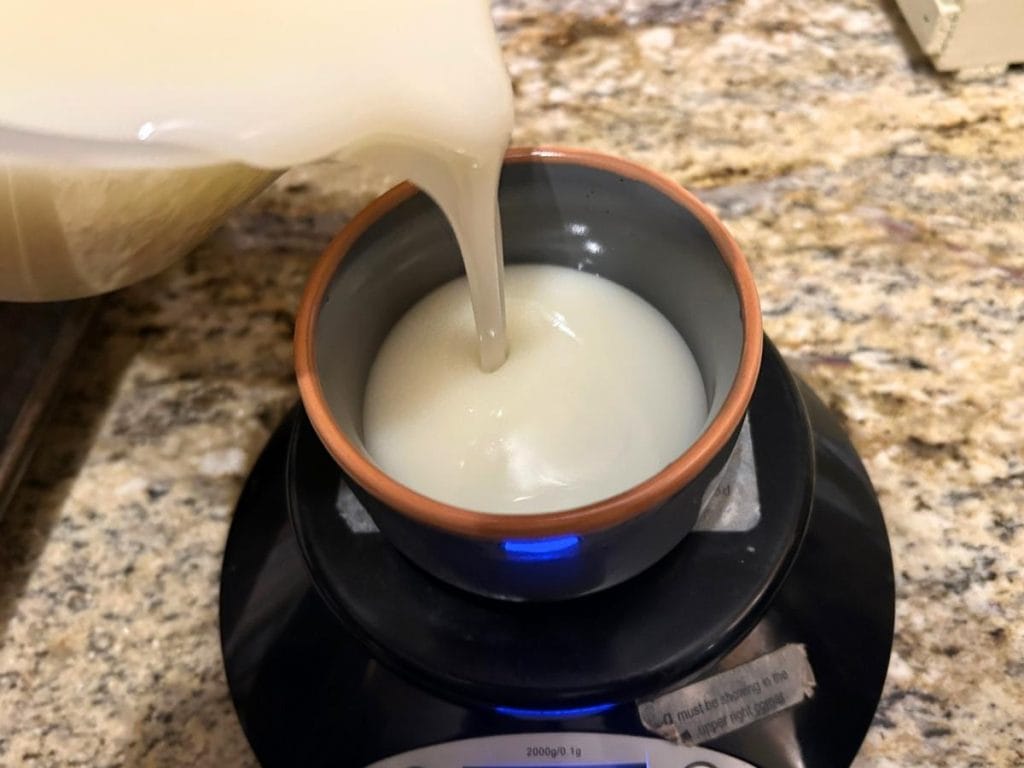
Mold Soap: Place ramekins (or molds) on a baking pan and pour your soap batter slowly into each one. Tap out air bubbles gently.
Saponify: Cover all ramekins with plastic wrap and set aside for 24-48 hours. I like to place a piece of cardboard on top and wrap a cloth or towel around the tray to insulate it while it saponifies.
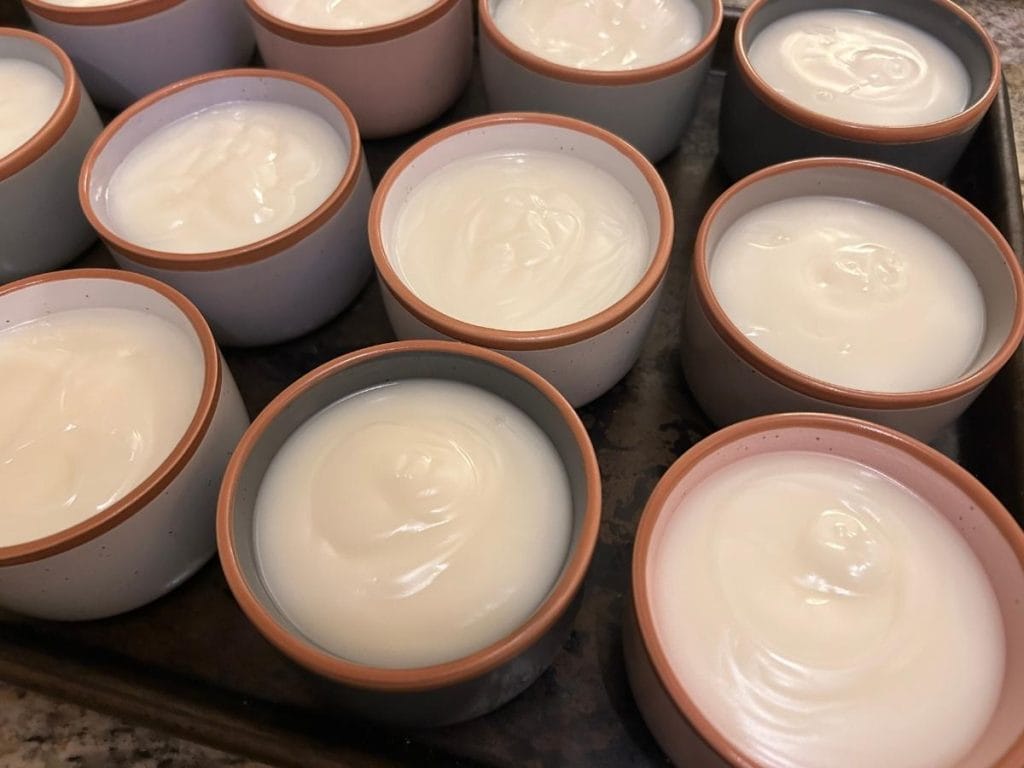
Cure: After 24-28 hours, remove the plastic wrap (or remove from molds and cut if you made bars). Store in a dry cool place to cure for 4-6 weeks so that all remaining water evaporates and the soap fully hardens. The soap lasts way longer if you let it sit for those few weeks before using.
Once you start making your own solid dish soap, you’ll wonder why you ever bought plastic bottles in the first place. So go ahead, make the soap and enjoy washing your dishes!
You’ve read about making tallow skincare on the blog, and now you can bring it home! Sometimes life gets busy, and you just don’t have the time to make it yourself. Visit our shop to buy our handcrafted tallow soaps.
DIY Solid Dish Soap Customization Ideas
I love this soap as-is, but you can totally make it your own by:
- Infusing the tallows with your favorite herbs
- Adding essential oils (up to 1.25 oz in a batch of soap batter), hello fresh kitchen vibes!
- Sprinkling a few dried herbs on top or find cute, thrifted ramekins for a cottagecore aesthetic perfect for gifting.
- Pouring soap batter into Round Soap Molds or loaf molds and just cut squares if you want solid dish soap pucks (or refills) instead of using ramekins.
How to Use Solid Dish Soap
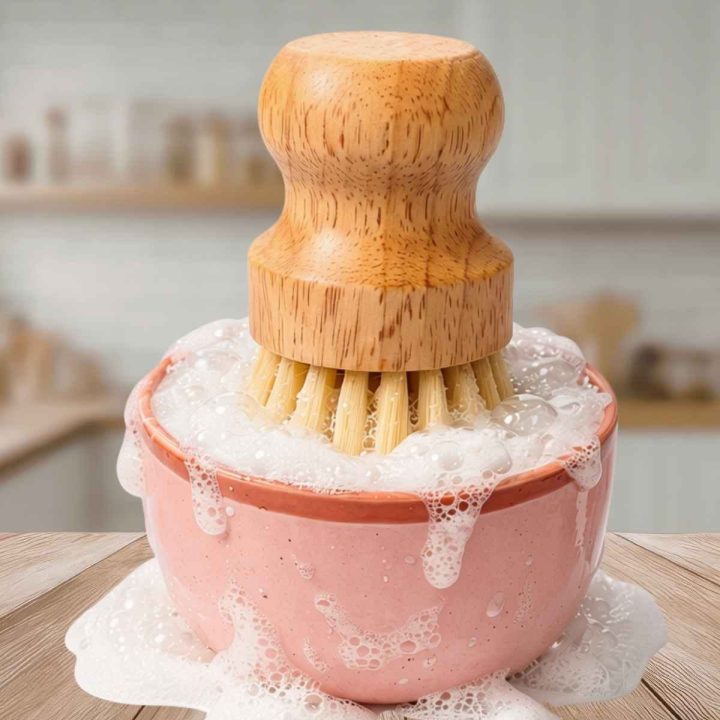
Wet your dish brush or sponge, rub it on the soap vigorously until it lathers, and get scrubbing! I love these Bamboo Scrub Brushes. Once done washing, dump out the extra water from the ramekin and let the soap dry.
How to Make Homemade DIY Solid Dish Soap with Tallow
Make DIY solid dish soap using tallow with this easy recipe! Perfect for zero-waste kitchens. Includes a step-by-step guide, tools, and FAQs.
Materials
- 25 oz Tallow (rendered)
- 17 oz Coconut Oil (virgin, cold-pressed)
- 8 oz Castor Oil
- .68 oz Citric Acid
- 8 oz Lye (Sodium Hydroxide)
- 16 oz Water
- 1.25 oz Essential Oils (optional)
Tools
- Small Crockpot or slow cooker
- Stainless Steel Bowls
- Silicone Spatulas
- Kitchen Scale
- Ceramic Ramekins
- Baking Pan
- Plastic Wrap
- Immersion Blender (stick blender)
- Infrared Thermometer
- Protective Glasses and Gloves
- Bamboo Scrub Brushes
Instructions
- Prep: Organize your workspace and gather supplies, making sure it’s clean and clear of obstructions. Weigh tallow, coconut oil, and castor oil, and melt them together on the warm setting in a crockpot until they reach around 140°.
- Citric Acid: Weigh room-temperature water into a separate bowl. Dissolve the citric acid in all of the water. Warm water isn’t necessary, but if you do use warm water, let it cool before adding lye (DO NOT use hot water).
- Mix Lye: Put on protective gear and weigh your lye in a small bowl, being sure not to touch any crystals. Pour lye crystals into the citric acid water (snow on a pond) in a well-ventilated area or outside. Stir well and leave the lye water to dissolve into a clear liquid for about 10-15 minutes.
- Cool Fats: Pour heated tallow and oils into another bowl to cool slightly for about 15 minutes. Check the temperature of your lye and tallow continuously until they have both reached approx. 100° (it’s okay if the lye is cooler than the fats), this can take 15-20 minutes or more.
- Mix Soap Batter: Once lye and oils have cooled enough, pour lye mixture into oils. Keeping an immersion blender submerged, pulse for about 15 seconds, then use the stick or spatula to stir the mixture, switching between pulsing and stirring a few times (we don’t want too many air bubbles). Check to see if the mixture is thickening and close to trace. Add essential oils if using. Keep mixing until you reach medium trace (pudding-like).
- Mold Soap: Place ramekins (or molds) on a baking pan and pour your soap batter slowly into each one. Tap out air bubbles gently.
- Saponify: Cover all ramekins with plastic wrap and set aside for 24-48 hours. I like to place a piece of cardboard on top and wrap a cloth or towel around the tray to insulate it while it saponifies.
- Cure: After 24-28 hours, remove the plastic wrap (or remove from molds and cut if you made bars). Store in a dry cool place to cure for 4-6 weeks so that all remaining water evaporates and the soap fully hardens. The soap lasts way longer if you let it sit for those few weeks before using.
Notes
- Cure soap in a dark, dry area
- Always run a soap recipe through a lye calculator — I use SoapCalc.net
- Wear eye and hand protection, you do not want to be splashed with lye or unsaponified soap(long sleeves are a good idea). Lye water will give off heat and fumes, so keep your face away and be a in well-ventilated area or outside. Be safe!
- DO NOT have children nearby while making soap
- Do not use any melt-and-pour soaps (pre-bought soap ingredients often in craft stores) in this process.
- ALWAYS pour lye into water. NEVER pour water into the lye. A hard pocket of undissolved crystals can occur, and you could end up with undissolved lye in your soap, or lye could explode out of your bowl
- *Trace is when the soap mixture has emulsified to the stage of looking like pudding. Let some of the soap drop off the blender or a spatula, and you should be able to see it kind of sitting on top of the rest of the mixture
- This recipe makes about 12 ramekins full of soap batter
Solid Dish Soap FAQs
Yes, others can work, but it can change the hardness and cleansing ability (ALWAYS use a soap and lye calculator when changing a soap recipe; you cannot just substitute 1:1!). We love tallow for its balance and sustainability.
Yes, especially if you skip fragrance oils or essential oils. That said, it’s meant for dishes and not hands.
With daily use, one bowl can last months, depending on household size and dishwashing style.
Try using a wet bamboo scrub brush and vigorously scrub the soap onto it to get bubbles going. Coconut oil and castor oil in the recipe help boost lather.
Citric acid can help give a bit more cleaning power and cut through harder water minerals to help avoid films and spots. If you decide to leave out the citric acid, be sure to reduce lye by 0.42 oz so you don’t end up with a lye-heavy soap.
Using a Lye Calculator
You can mix and match many different fats and oils, but it is VERY important to use a lye calculator anytime you make soap. Soap makers should always double-check recipes, mine included, using a lye calculator before you make them. Use something like SoapCalc.net or another online soap calculator to help you calculate how much lye you will need for different ratios of ingredients. You cannot just swap castor oil for coconut oil in a soap recipe because every fat has a different SAP value (how much lye is needed to make a certain fat into soap).
Common Cold Process Soap Problems
- Soda ash? It’s harmless. Soda ash is a white, ashy film that can sometimes show up on soap when you go to cut it. It happens when unsaponified lye reacts with carbon dioxide in the air. The quality of soap is not diminished, and the soap is safe to use. Spray with rubbing alcohol or embrace the rustic look.
- Soap separating? Blend a bit longer next time until you get that pudding texture.
- Seizing? Soap batter hardening up too fast? Your oils might be too hot or your scent too strong.
- Soap getting mushy? Make sure you let the bars cure for 4-6 weeks to harden and make them last longer. Be sure to let soap dry between uses.




I have never seen a tallow dish soap but I love this!
This is so clever! I have not learned the ins and outs of soap making yet, but this would be a great place to start, and I’m thinking it would be the perfect soap to clean skillets with. Have you used this soap on cast iron skillets much?
I do use it on mine occasionally!